Informal care in the municipality of Moerdijk

Many people care for a family member, friend or neighbor. They help and support with housekeeping, personal care, transportation, money matters and so on. You have a personal bond with each other. Informal care is very valuable and that is why Mantelzorg Moerdijk helps you, so that your life remains in balance.

Directly to

What can we help with?

Prefer to speak to someone in person? Then call 076 - 597 22 00. Rather email? Ask a question

News

Week of Fellow Enablers

Let's take care of these young family caregivers for a while From June 1 through June 7, Mantelzorg Moerdijk, together with the Moerdijk municipality, is putting on

Alzheimer Café 2026 in the municipality of Moerdijk

Alzheimer Café 2026 in the Municipality of Moerdijk The Alzheimer Café in the Municipality of Moerdijk is a meeting place for anyone dealing with

Informal care campaign: ‘Throw open your cloak, make your care(s) visible’

Family Caregiver Week is from November 10 to 15. We pay special attention to all family caregivers who every day

Start Training Dementia and (N)u

Dementia is more than just forgetting. For family caregivers, often children or partners, coping on a daily basis with

Informal care: ‘Throw open your cloak, make your concerns visible’

Informal care is often unrecognized - not by the environment, but especially not by the informal caregiver himself. The mantle symbolizes everything that comes with care: warmth, sense of duty, fatigue, loyalty. Sometimes it feels comfortable, sometimes it weighs heavily on your shoulders. Surplus invites people to “throw open” that cloak - to make care visible and find recognition. Because by sharing it, the burden is already lightened a little bit. We like to open the conversation about informal care further - within families, neighborhoods and municipalities.
Yara

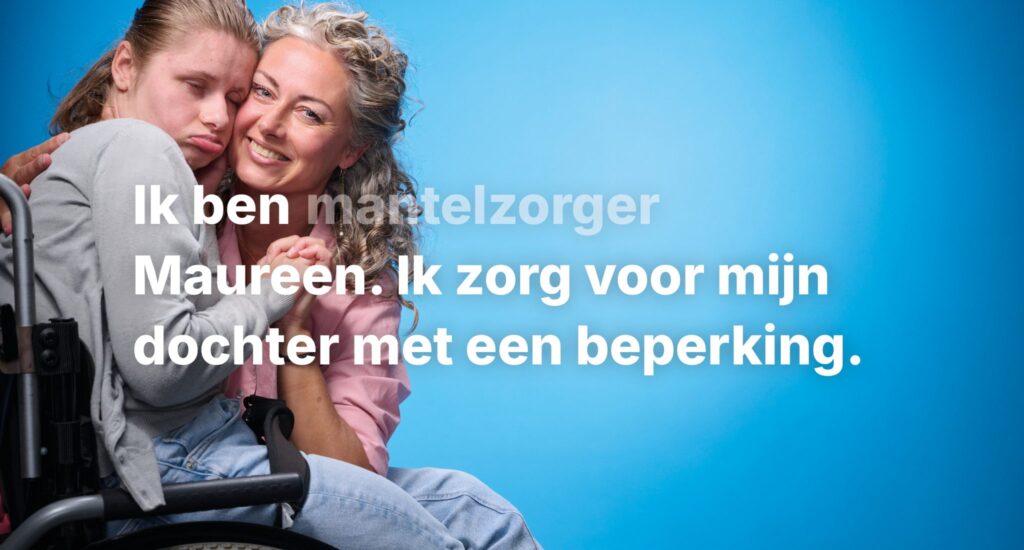
Yara is a caregiver for her 19-year-old sister. She has Dravet syndrome, which makes her both mentally and physically disabled and suffers from seizures. She cares for her out of love, but sometimes that love is out for a while. You can listen to her whole story in the podcast.

Anton

Anton is a caregiver for both his mother and his wife, who is dependent on his care for many things due to her severe rheumatism. He does this out of love, but sometimes that love is out - especially when Anton then no longer gets around to doing things for himself. You can listen to his whole story in the podcast.

Thea

Thea is a caregiver for her two sons, both of whom have Leigh syndrome. This is an intense metabolic disease in which brain cells are damaged because they do not get enough energy. Thea is a caregiver out of love, but sometimes the love is out for a while. You can listen to her whole story in the podcast.

Out.of.love

If you are a caregiver, you do it out of love. For the other person, because you give. Because you love. Because you love.

Because the other person is important to you. So you care. out.of.love. You express love through those little moments, by being there AND helping. But when does your own love go out? Do you stop loving yourself or the other for a moment? Do you express yourself then? Out of your love. For yourself.

For the other person. Because you do it, out of love. In the uit.liefde campaign, four family caregivers tell their stories in the minizine and the uit.liefde podcast.

Please select listing to show.

Four family caregivers. Four powerful stories.

In this minizine, created on the occasion of the Week of Informal Care, you will find four stories of four different informal caregivers and the care they provide for their loved ones.

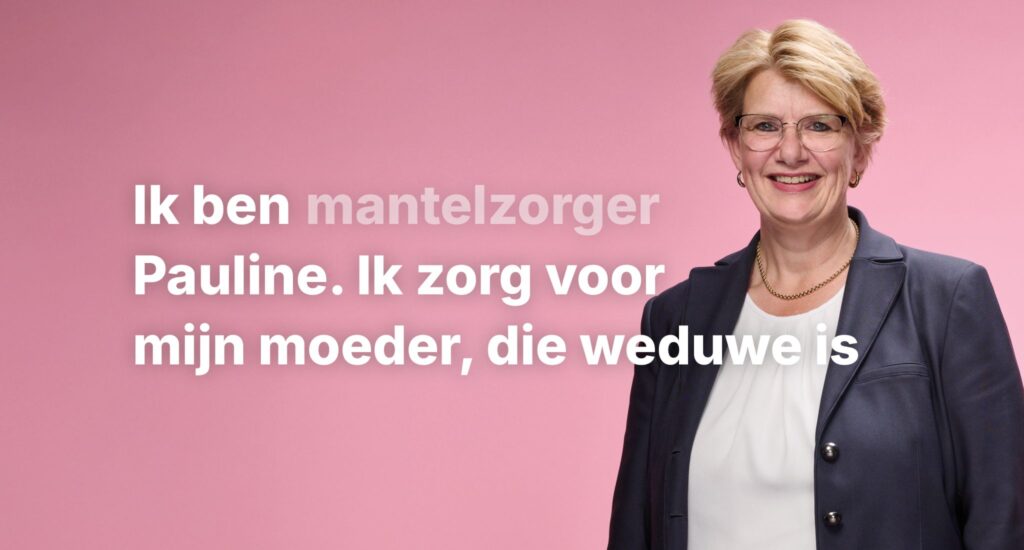
Claudia, Pauline, Karin and Ingrid talk about their situation, their emotions. About how they do it out of love, but that sometimes that love is also out for a while.

Agenda

Mantel care Moerdijk

July 1, 2026

Mantel care Moerdijk

June 23, 2026

Video HUB

Video material is available in our Video HUB on questions from family caregivers.

Week of the Young Caregiver

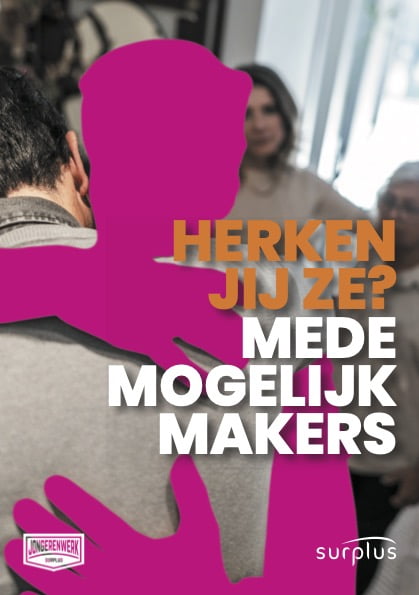
June 1 through June 7 is Young Caregiver Week. One in four young people have care at home, worry or miss care. We call these young caregivers co-makers. After all, they make a lot possible in their home situation. Many young people do not know they are young family caregivers. This year the focus is on “Ask how they are doing”. We focus on the immediate environment of young informal caregivers to pick up the signals around getting stuck in informal care. Think for example of teachers and sports coaches. Paying attention to these often overburdened young people is an important step towards help. In this way we ensure together that young family caregivers receive support. After all, young informal caregivers deserve attention, a listening ear or a pat on the back.

Do you recognize them?

Paying attention to these often overburdened young people is an important step toward helping them. Thus, together we ensure that young family caregivers receive support. This can be done through the informal care support centers or the youth work of Surplus. Do you recognize the possible signs of a family caregiver?

Ask how they are doing

Young family caregivers provide help at home and support difficult situations. Care for parents/caretakers who are ill or brothers/sisters who need extra attention. They make a lot possible and ensure that ‘Fleur is in bed at half past six’, ‘Dinner’ and ‘no smelly laundry’. Team Mantelzorg and Youth Work pay attention to them. And you can help too.

Skip to content